
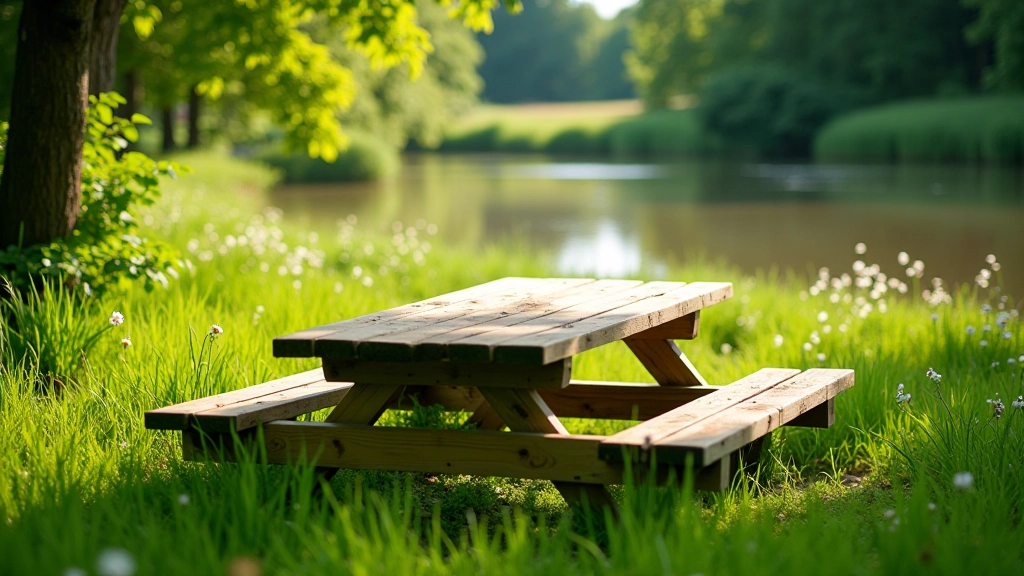
Planning Your Picnic at Riverside Meadows
Essential tips for choosing the right spot, what to pack, and how to make your riverside picnic comfortable and enjoyable.
What to expect each season — from spring wildflowers to autumn foliage. How seasonal changes affect walking conditions and what makes each time unique.
Author
Editorial Team
Written by the Nemunas Walks Editorial Team, focused on honest, accessible route guidance for retirees and leisure walkers.
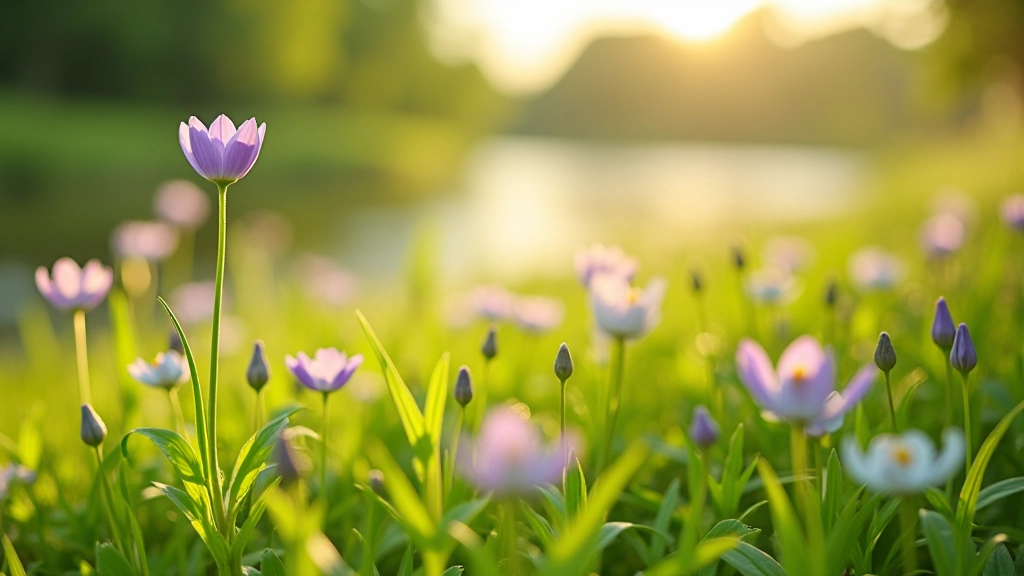
Spring transforms the riverside paths into something completely different. The trails that looked bare just weeks before suddenly come alive. You'll notice wildflowers appearing first — delicate white anemones in March, followed by purple violets and bright yellow dandelions by April.
Water levels are higher this season because of snowmelt and spring rains. The river runs faster, and you'll hear it before you see it. Walking conditions are generally good on the main paths, though some side trails can get muddy. The air smells fresh — that rich, earthy scent that only happens when everything's growing at once.
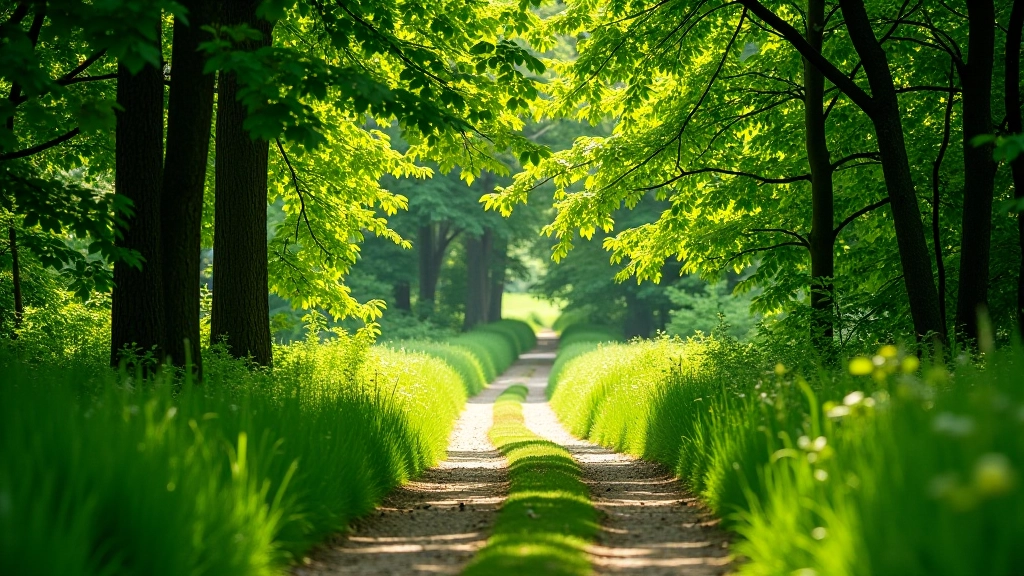
By June, the entire area is completely green. Tree canopies are full, creating shaded tunnels along many parts of the path. This is actually the best time to walk if you prefer cooler conditions — the shade keeps temperatures 5-8 degrees lower than open areas.
Water levels drop noticeably in summer. The river becomes calmer, and you'll see rocks that were completely submerged in spring. The paths are firm and dry — walking conditions are excellent. Early morning remains your best bet though. By 2 PM, even shaded areas can feel warm.
Pro tip: July and August are peak season for families and tourists. If you prefer quiet walks, go early — most people don't arrive until 10 AM.
Bring plenty of water. Even with shade, you're walking for 60-90 minutes and your body will need hydration. The mosquitoes are active all day in summer, so insect repellent is essential, not optional.
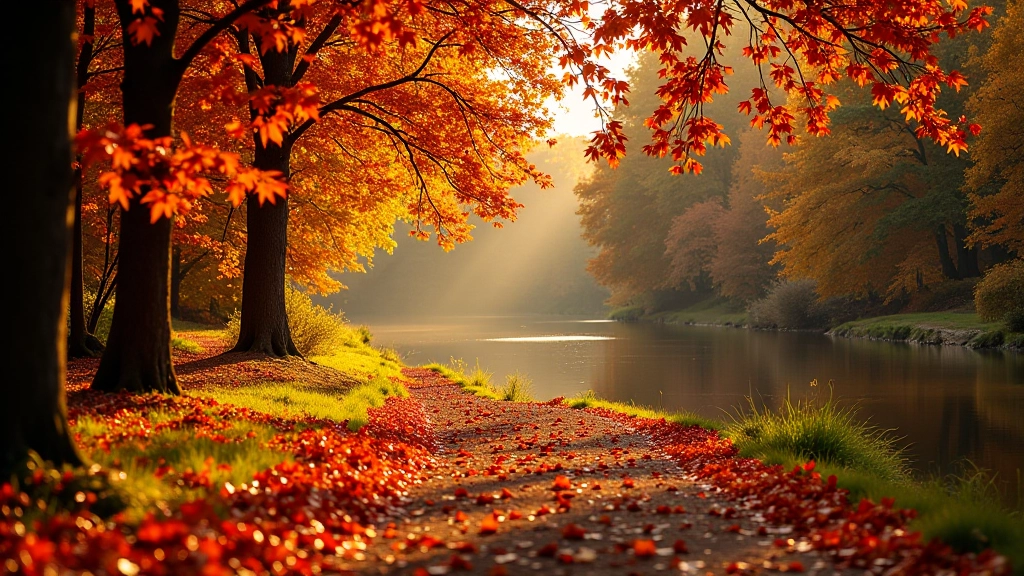
This is when the riverside paths reach peak beauty. September brings the first color changes — yellows and oranges appearing on willows and birches. By October, the whole landscape looks different. Trees display reds, golds, and deep oranges. The ground becomes carpeted with fallen leaves, creating a soft walking surface.
Temperatures drop to 10-15°C by late October, which is perfect for walking. You'll actually feel comfortable moving at a steady pace without overheating. Wind picks up in autumn though — it's not dangerous on the main paths, but it can be stronger near the open riverside sections.
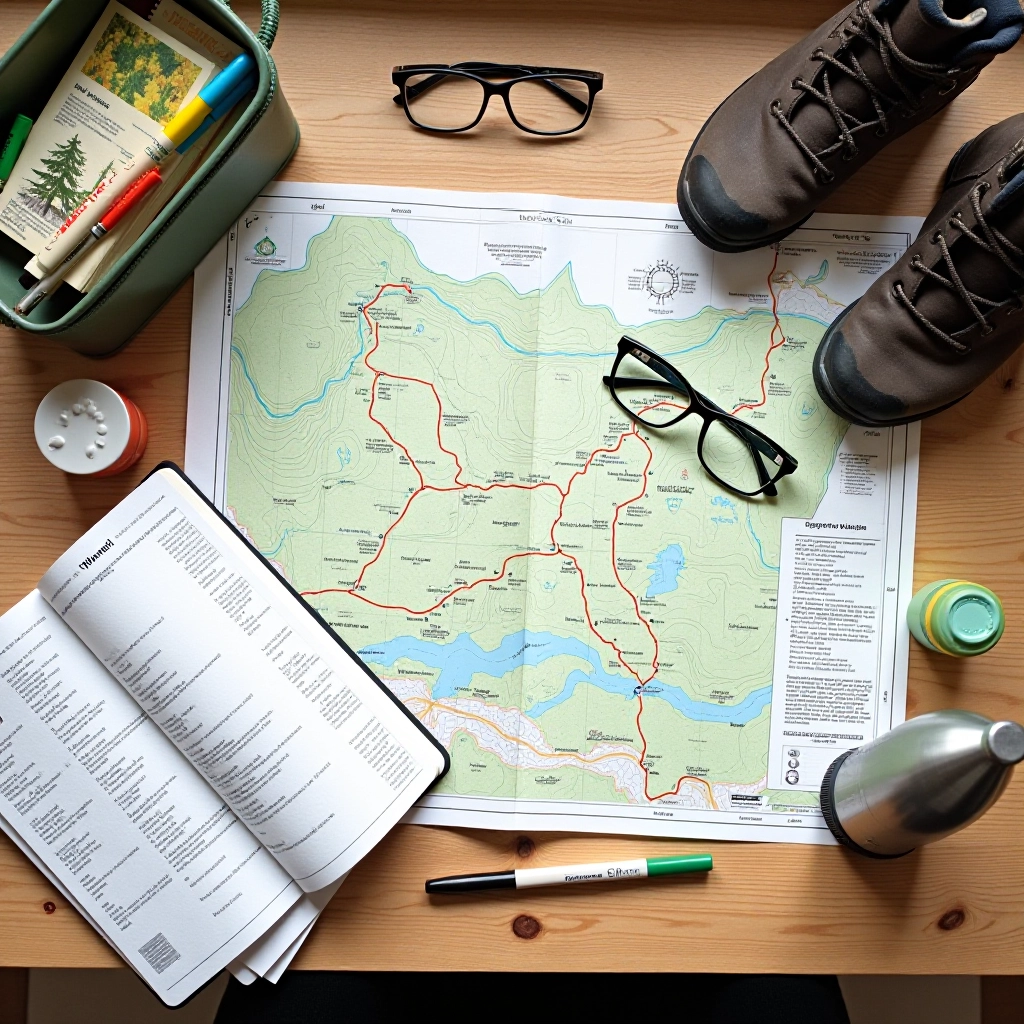
Explore more about riverside walks and what to bring
Essential tips for choosing the right spot, what to pack, and how to make your riverside picnic comfortable and enjoyable.
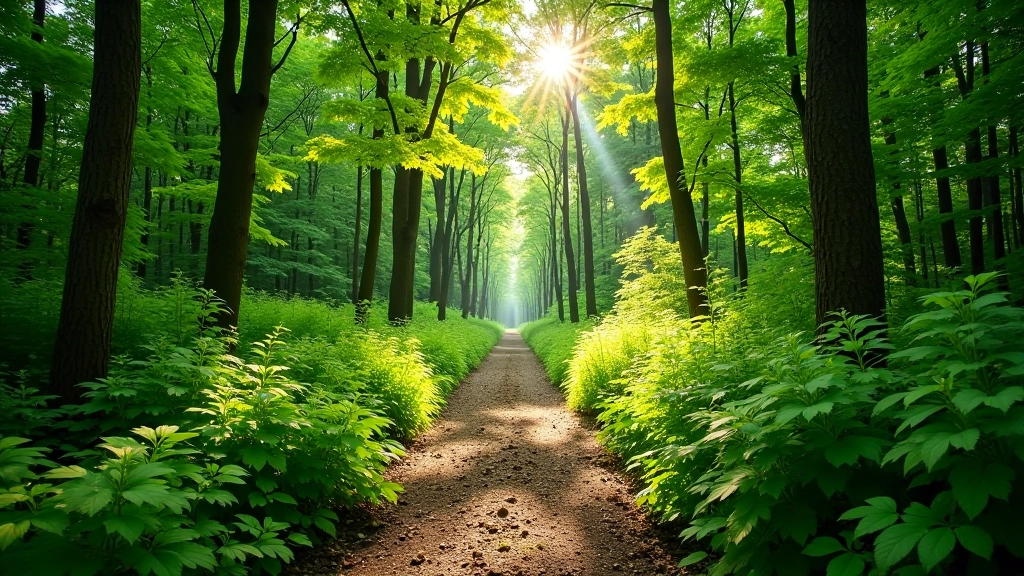
Three easy island circuits with clear descriptions of terrain, rest spots, and walking distances for those new to the area.
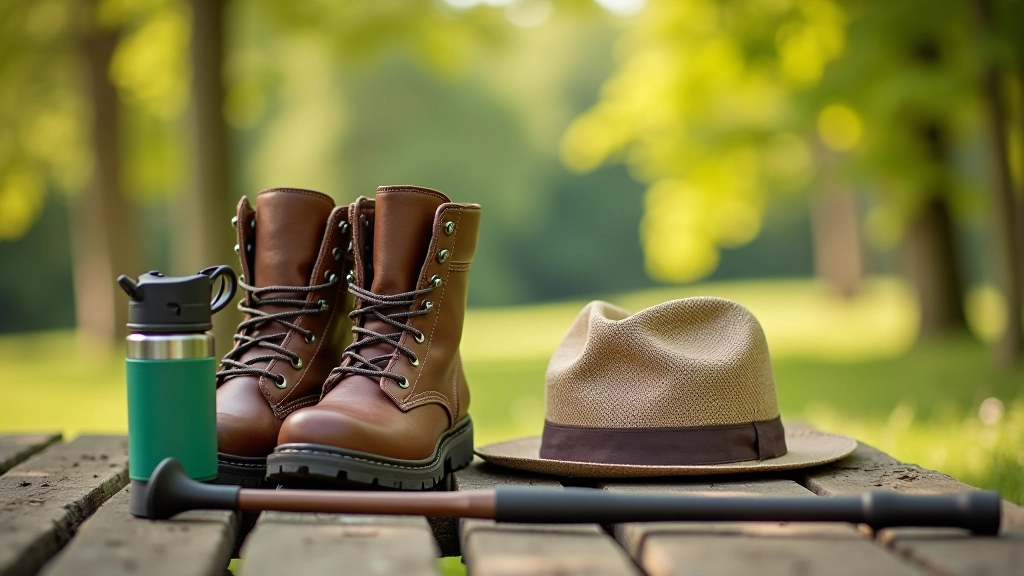
Complete checklist of footwear, clothing layers, and supplies for different walking seasons and weather conditions.
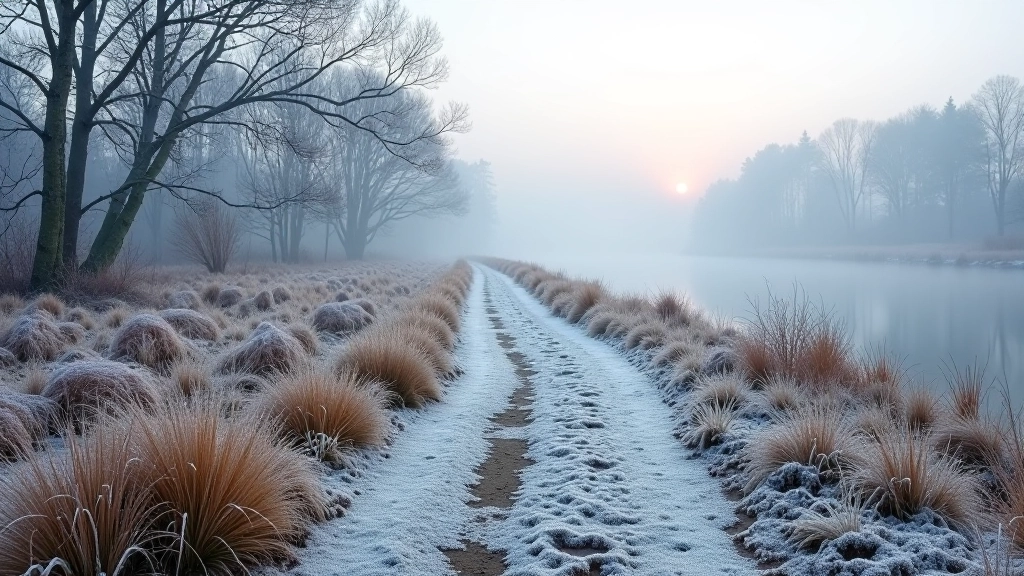
Winter is when the riverside paths feel most peaceful. Most people don't walk here during these months, so you'll often have entire stretches to yourself. The landscape looks completely different — bare trees, frost on the grass, and the river moving more slowly than in spring.
Walking is still possible, but conditions require attention. Frost can make paths slippery in early morning — by 10 AM things usually thaw. Ice forms on the main walking areas only in January and February during cold snaps. The paths are generally clear otherwise, and the firm ground actually makes walking easier than autumn's soft leaf-covered trails.
Temperatures range from -5°C to 2°C most days. Proper winter clothing is essential — not just for warmth but also because wind along the river can feel sharper. Gloves, a warm hat, and a windproof layer make a real difference. The short daylight hours mean you'll need to start your walk early to finish before dark. By 4 PM in December, it's already twilight.
This season offers something special though. The light has a different quality — softer and more muted. Sound carries differently too. You'll hear the river more clearly. For those who don't mind the cold, winter walks offer a kind of solitude you won't find in other seasons.
Each season brings different rewards. Spring offers visual beauty and renewal. Summer provides cool, shaded walking with the best path conditions. Autumn delivers peak scenery and comfortable temperatures. Winter gives solitude and a different kind of peace.
The riverside paths are walkable year-round, but your experience changes completely depending on when you go. There's no "best" season — it depends on what you're looking for. If you want company and crowds, come in summer. If you want quiet and reflection, winter is your time. Want photography opportunities? Autumn is unbeatable. Looking for wildflowers and renewal? Spring calls.
Start with one season. Notice what you like about it. Then try another. You'll discover that the riverside paths are never the same place twice — they're constantly changing, constantly offering something different.
Check out our beginner routes and gear guides to plan your first walk.
View Beginner RoutesThis article is provided for informational and educational purposes. While we've described seasonal conditions based on typical weather patterns in the region, actual conditions can vary significantly from year to year. Weather, water levels, and path conditions change constantly.
Always check current local conditions before your walk. River conditions in particular can change rapidly with rainfall or snowmelt. If you have health concerns or mobility issues, consult with a healthcare professional before undertaking any walking activity. Dress appropriately for the season and carry supplies — weather can change quickly even on short walks.