
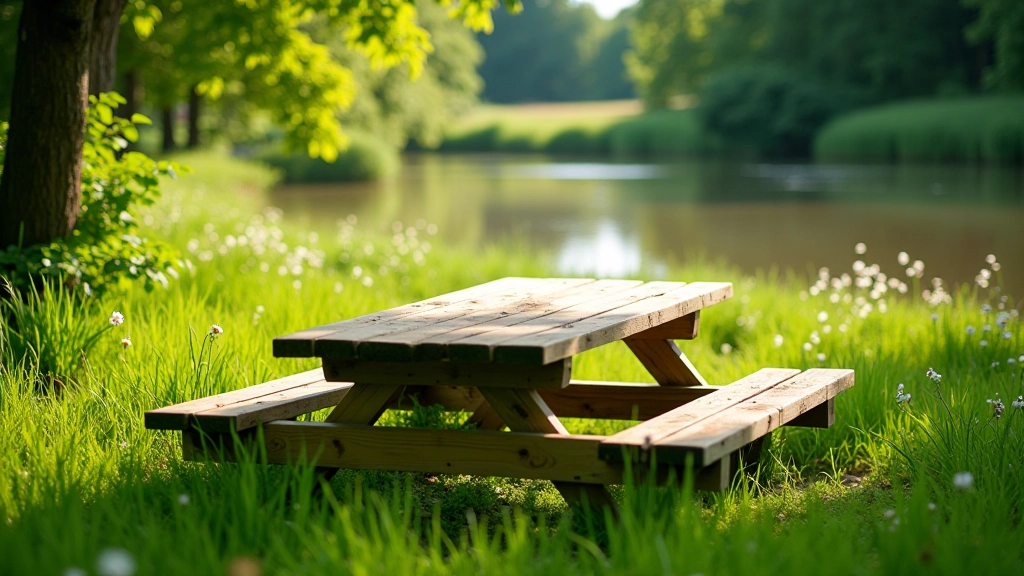
Planning Your Picnic at Riverside Meadows
Essential tips for choosing the right spot, what to pack, and how to make your riverside picnic comfortable and memorable.
Read GuideThree easy island circuits with clear descriptions of terrain, rest spots, and what wildlife you might encounter along the way.
Written by
Editorial Team focused on honest, accessible route guidance for retirees and leisure walkers.
The Nemunas islands offer some of the most rewarding walks for beginners. They're close to Kaunas, well-marked, and don't demand much experience. What you'll find is peaceful terrain, decent rest spots, and wildlife you won't see in town.
We've picked three circuits that work really well for people starting out. Each one's different — one's mostly flat and quick, another has views, and the third gives you a real taste of island ecology without being tough. You'll notice we're not claiming these are the easiest walks ever. They're beginner-friendly, which means clear paths and nothing technical, but you're still walking 5-8 kilometers. That takes time and a bit of stamina.
The best part? You'll see herons, kingfishers, and if you're lucky, deer. The light changes beautifully through the day on the islands — early morning and late afternoon are best for both photography and avoiding crowds.
This is the easiest of the three and the best if you're getting back into walking. It's 5.2 kilometers, mostly flat, with two proper rest spots. You'll start at the main parking area near Darius and Girėnas Park, follow the river path east, then cut across the upper meadow. The whole circuit takes about 1 hour 45 minutes at a comfortable pace.
The terrain's straightforward — packed earth paths with some exposed roots in the shaded sections. After rain it can get slippery near the water, so watch your footing. There's a small shelter about halfway around where you can sit for 10 minutes and watch the water. In spring you'll see wildflowers. Summer brings dragonflies and mayflies skittering over the shallows.
Wildlife: Herons, cormorants, sometimes a heron fishing in the shallows. Deer are less common here but not impossible.
Rest spots: Two proper benches and a small shelter with a roof — important if you want to escape sudden sun.
Difficulty: Truly flat. No elevation gain. Good for recovering walkers.
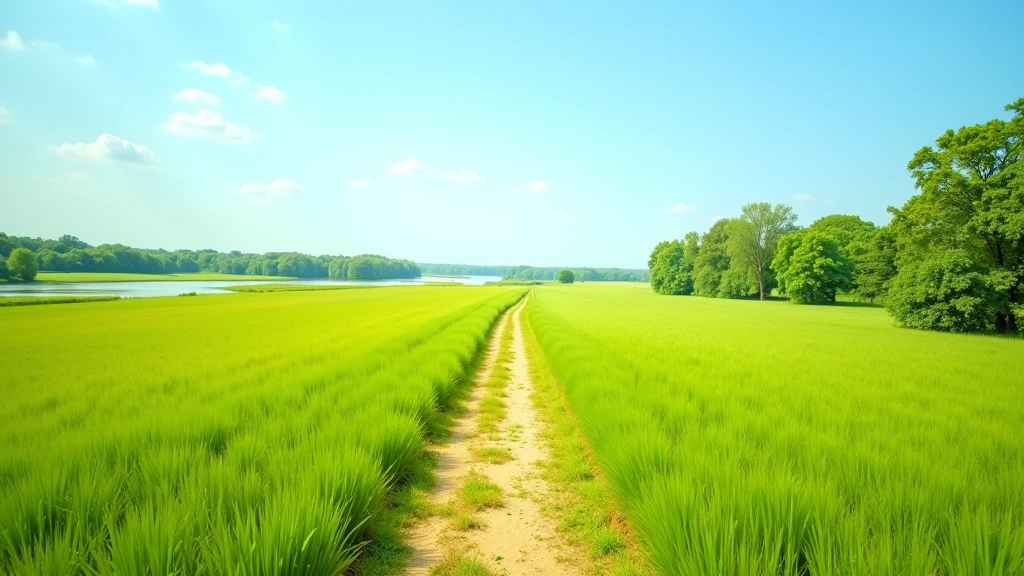
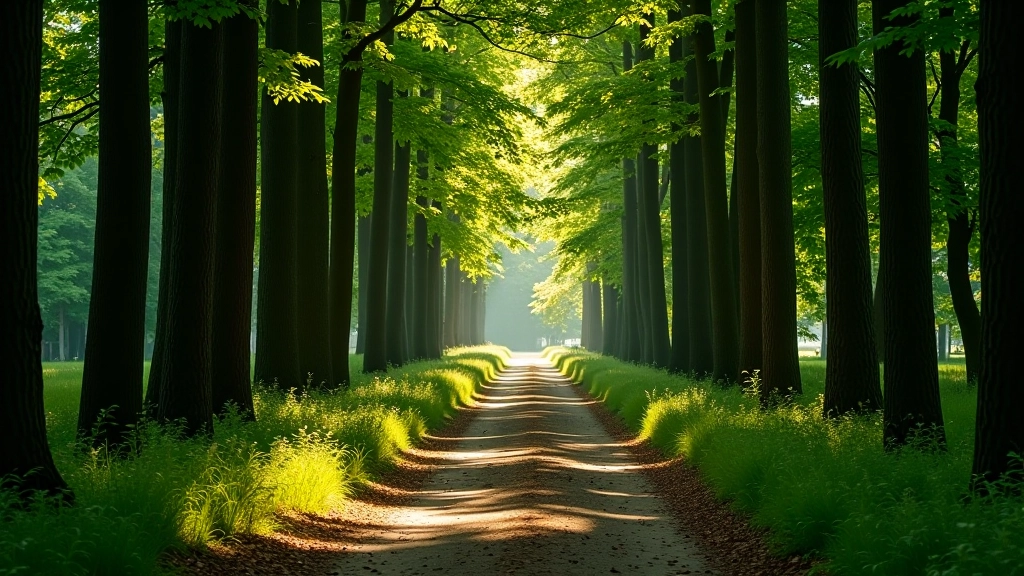
If you want more shade and woodland atmosphere, this one's for you. It's 6.8 kilometers and takes about 2 hours 10 minutes. You're moving through mixed forest — oak, birch, pine — with good canopy cover. The path climbs gently in the first 2 kilometers (not steep, just noticeable), then levels out. The descent back is easy.
You'll cross three small streams on wooden bridges — don't expect scenic crossings, but they're well-maintained. The forest here is old. Some of the oaks look like they've been here 200 years. There's a bird hide about 3.5 kilometers in where serious birdwatchers set up. In early morning you might hear woodpeckers and various songbirds.
Wildlife: Woodpeckers, various songbirds, possibly deer. The bird hide is active — you might see serious photographers here.
Rest spots: One bench overlooking the forest canopy. Not as many formal stops but plenty of places to sit on fallen logs.
Difficulty: Gentle climbing. More demanding than Route One but still beginner-appropriate.
Discover complementary guides to enhance your Nemunas river experience.
Essential tips for choosing the right spot, what to pack, and how to make your riverside picnic comfortable and memorable.
Read Guide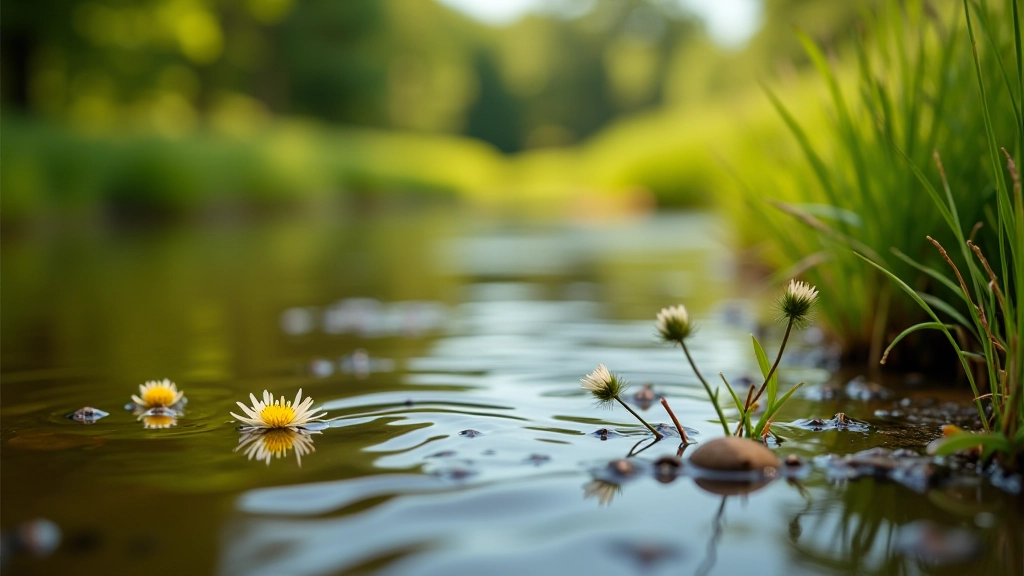
What to expect each season — from spring wildflowers to autumn foliage. How seasonal changes affect your walk planning.
Read Guide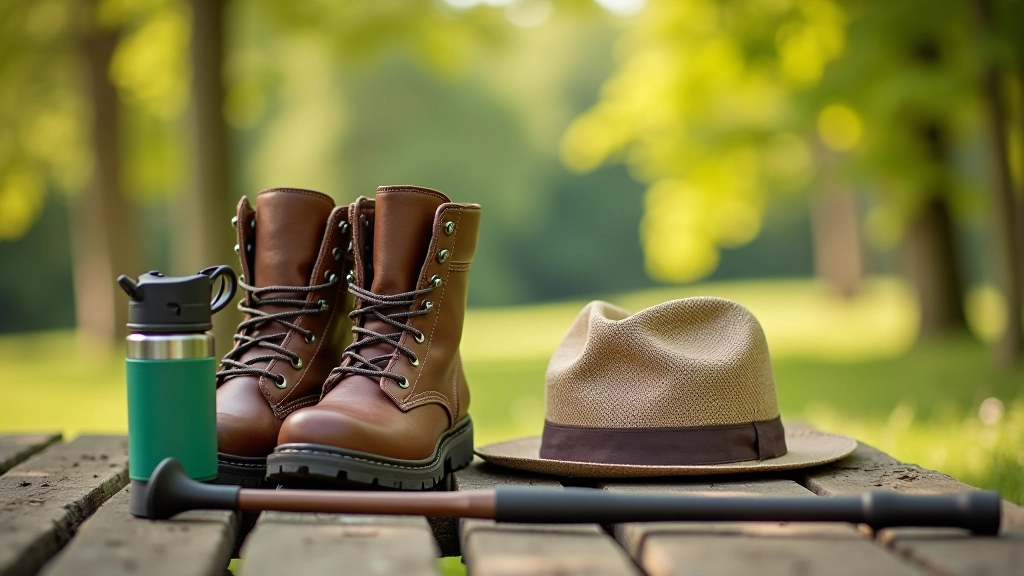
Complete checklist of footwear, clothing layers, and supplies for different walk types and seasons.
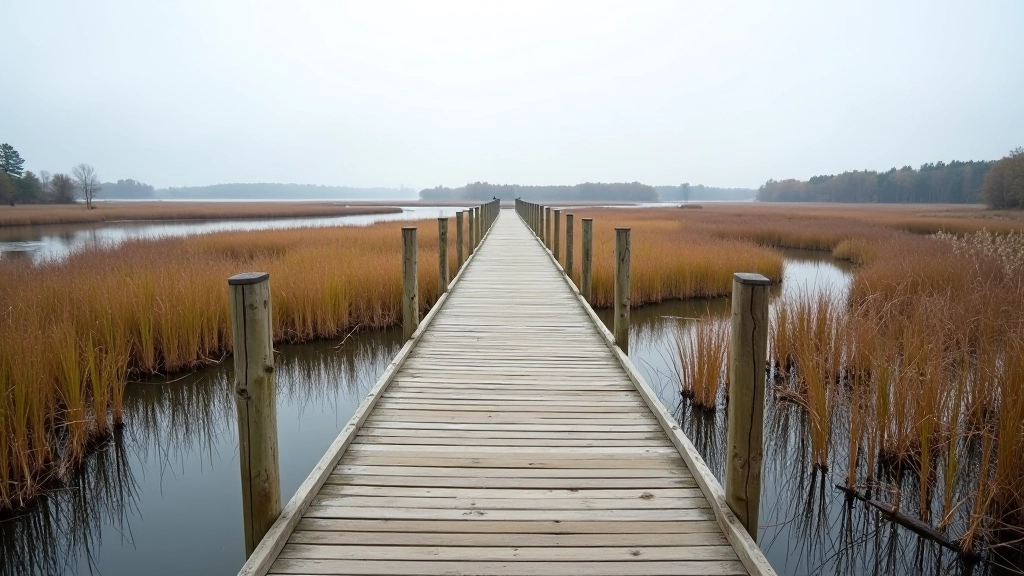
Read GuideThis one's for people who want variety. It's 7.4 kilometers and takes roughly 2 hours 25 minutes. You're walking through meadow, forest, and actual wetland habitat. The wetland section has elevated boardwalk — no getting your feet wet but you're really immersed in that ecosystem. It's the most interesting ecologically but also the most exposed to weather.
The boardwalk's well-maintained and safe, but it can be slippery when wet. Summer is best here — the water level's lower and you won't sink into mud. You'll see water lilies, reed warblers, and possibly water snakes (harmless, they're as scared of you as you are of them). The light on water in late afternoon is stunning if you time it right.
Wildlife: Reed warblers, water snakes, dragonflies, occasionally a heron. The wetland's a proper habitat for water birds.
Rest spots: One observation platform overlooking the wetland. Perfect for sitting and watching for wildlife.
Difficulty: Longest of the three. More weather-dependent. Best May through September.
Start early — 7 or 8 in the morning. You'll avoid afternoon heat, have better light, and see more wildlife. Parking's easier too.
Download offline maps before you go. Signal can be spotty on the islands. We recommend Maps.me — it's free and works without data.
Check the forecast the night before. If heavy rain's coming, skip the wetland route — paths flood. Meadow route's usually safe even in light rain.
If you're bringing a camera, bring a zoom lens. Birds and deer won't let you get close. Early morning and late afternoon have the best light.
Tell someone where you're going and when you'll be back. These routes are safe but they're remote. A quick message takes 30 seconds.
Don't skip food. A banana and some nuts halfway through makes a real difference. You'll have more energy and enjoy it more.
These three routes work because they're not trying to be something they're not. They're not extreme. They're not claiming to change your life. They're just good walks through real islands with decent paths and plenty to see.
Pick the one that appeals to you first. If you like it, you'll come back. Most people do. The islands grow on you — the more you walk them, the more you notice. The heron that ignored you on your first visit might fish 20 meters away on your fifth. The woodland sounds become familiar. You'll recognize the seasons in the trees.
Start with Route One if you're genuinely unsure about your fitness. It's not a waste of time — it's a proper walk and you'll enjoy it. Build up to the others. There's no hurry. Walking's supposed to be something you enjoy, not something you're rushing through to tick off a list.
Before you head out, check our guides on what to wear and what to bring. It's the difference between a good walk and a frustrating one.
See the Gear GuideThe route descriptions provided here are based on observations from walks conducted in 2026 and are intended for informational purposes only. Conditions on island paths change seasonally and after heavy weather — water levels rise, trees fall, paths can become muddy or eroded. Always check current conditions before heading out. Bring proper footwear, water, and weather-appropriate clothing. If you have any health concerns about walking distances of 5-8 kilometers, consult with your healthcare provider first. We're not responsible for injuries, lost items, or encounters with wildlife. Walk responsibly and follow posted signs on the islands.